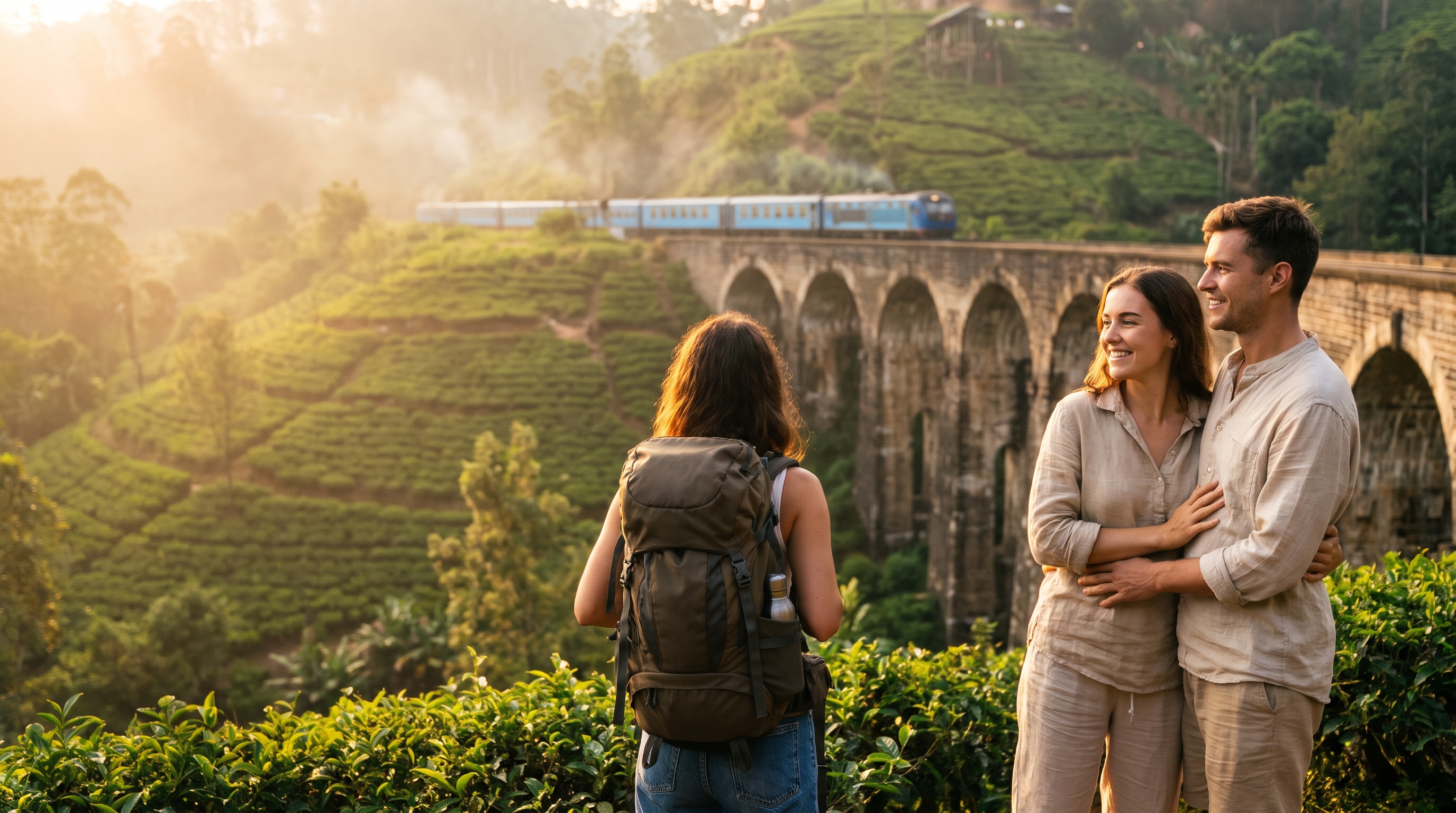
Short answer: yes, for most travelers, Sri Lanka is a safe and welcoming place to visit. Millions of people come every year, and the vast majority leave with great stories and nothing worse than a sunburn.
But "safe" doesn't mean "nothing ever goes wrong." You'll have a much better trip if you know where the real risks are, and they're usually not the ones people worry about.
Let's go through it properly.
The Big Picture: How Safe Is Sri Lanka Really?
Sri Lanka is a friendly, laid-back island where tourism is a big part of daily life. Most people you meet, from guesthouse owners to tuk-tuk drivers to the auntie selling you a king coconut, are genuinely happy to see visitors.
Violent crime against tourists is rare. What travelers actually run into is petty stuff: overcharging, pushy touts, the occasional scam, and bad road conditions.
Governments also keep a close eye on the country. The US lists Sri Lanka at "exercise increased caution," and Canada and Australia ask for a "high degree of caution," mainly because of protests, security concerns and, in some regions, leftover landmines in the north and east. In practice, the usual tourist routes (the south coast, the hill country, Colombo and the cultural triangle) are where most visitors spend their time and where this caution matters least. It's still worth checking your own government's advice right before you fly, since it can change.
Is Sri Lanka Safe for Solo Travelers?
Yes, and it's one of the easier countries in South Asia to travel alone. Guesthouses and hostels make it easy to meet other travelers, and the main route (Colombo, Kandy, Ella, Galle, the south coast) is well worn.
What helps solo travelers most
- Stay in places with good reviews. Homestays and small guesthouses are great because the owners often look out for you and give honest local tips.
- Tell someone your plans. Share your itinerary with a friend or family member, especially if you're heading somewhere remote.
- Get a local SIM card. It's cheap, and having data for maps and ride apps makes everything easier and safer.
- Don't wander alone at night on empty beaches or quiet roads. That's good advice anywhere in the world, not just here.
- Trust your gut. If something feels off, leave. You don't owe anyone politeness at the cost of your comfort.
Is Sri Lanka Safe for Solo Female Travelers?
This is the question people search most, so let's be honest about it.
Many women travel solo in Sri Lanka and have a great time. But you may experience unwanted attention, like staring, comments, or someone getting too friendly. It's usually annoying rather than dangerous, though it can be uncomfortable, and it's worth being ready for it.
Practical tips
- Dress a bit more modestly away from the beach. Covering shoulders and knees is more comfortable in towns and essential at temples.
- On buses and trains, sit near other women or families when you can.
- Use a ride app (like PickMe or Uber) or a trusted driver at night instead of flagging a random ride.
- Be firm and clear if someone is bothering you. A calm, direct "no, thank you" works better than trying to be polite.
- Choose accommodation with solid reviews from other solo women.
- Don't accept drinks or food from people you've just met.
If something does happen, the tourist police can help, and the emergency number is 119.
Is Sri Lanka Safe for Couples?
Yes, and it's honestly a great destination for couples. Think beaches, tea hills, train rides, safaris and slow evenings with a view.
A few things couples should know:
- Public displays of affection. Sri Lanka is a fairly conservative country. Holding hands is fine. Heavy kissing in public can draw attention and, in some places, disapproval. Save it for private spots.
- Same-sex couples. Same-sex relations are technically criminalized under old laws. In practice, tourists are rarely targeted, but LGBTQ+ travelers should be discreet in public and stick to welcoming, well-reviewed accommodation.
- Beach safety. Currents can be strong on many beaches, especially during monsoon season. Check with your hotel or local lifeguards before swimming, and never swim after drinking.
- Valuables. Leave passports and extra cash locked in your room. Carry only what you need for the day.
The Real Risks (and How to Handle Them)
1. Road safety
This is the biggest actual risk. Driving can be chaotic, with buses overtaking on blind curves, stray dogs, cows and tuk-tuks everywhere. If you're nervous, hire a driver. It's not as expensive as people think, and a good driver doubles as a guide, translator and local expert.
2. Scams and overcharging
Common ones include tuk-tuk drivers quoting inflated prices, "the temple is closed today, let me take you somewhere else" stories, and fake gem shops. The fix is simple: agree on the price before you get in, use ride apps in cities, and politely walk away from anyone who gets pushy.
3. Monkeys, dogs and animals
Monkeys at tourist spots will grab food, sunglasses and phones. Don't feed them and keep your stuff zipped away. Stray dogs are common, so avoid petting unfamiliar ones, and ask your doctor about rabies vaccination if you plan to stay long.
4. Weather and landslides
Sri Lanka has two monsoon seasons, and heavy rain can cause floods and landslides, especially in the hill country. The island saw serious damage from a cyclone in late 2025, and some upcountry train sections have taken time to reopen. Check current conditions before booking tricky routes.
5. Health
Drink bottled or filtered water, wash your hands, and be careful with street food that looks like it's been sitting out. Use mosquito repellent, since dengue is a real issue in Sri Lanka. Travel insurance is a must, not an optional extra.
6. Protests and strikes
Demonstrations do happen. Most are peaceful and far from tourist areas, but avoid crowds and follow local news when one is happening nearby.
7. Landmines in the north and east
Parts of the north and east still have areas that need clearing. Stick to marked roads and established tourist sites, and never wander off the path in former conflict zones.
Safest Places to Start
If it's your first time, these areas are the easiest:
- Galle and the south coast (Unawatuna, Mirissa, Weligama): Well set up for tourists, lots of guesthouses.
- Kandy: Cultural, walkable and full of tourist infrastructure.
- Ella and the hill country: Relaxed and backpacker-friendly.
- Sigiriya and Dambulla: Popular and easy with a driver or tour.
Quick Safety Checklist
- Buy travel insurance
- Get a local SIM or eSIM
- Save emergency numbers (Police 119)
- Use ride apps or agree prices first
- Dress respectfully at temples
- Keep copies of your passport
- Check swimming conditions before entering the sea
- Book a driver for long or mountain routes
Final Thoughts
So, is Sri Lanka safe for solo travelers and couples? Yes, with normal travel common sense, it really is. You'll deal with a few touts, some wild traffic and maybe a monkey stealing your banana. But you'll also find some of the warmest hospitality anywhere, and that's what most people remember.
Plan ahead, stay aware, and let the island surprise you.
Frequently Asked Questions
Is Sri Lanka safe to visit right now?
Yes, for most tourist areas. Always check your government's latest advisory before you travel, since conditions can change.
Is it safe to walk around at night?
In busy tourist areas, usually yes. Avoid empty streets and isolated beaches after dark, and use a ride app or trusted driver for longer distances.
Is Sri Lanka safe for solo female travelers?
Many women travel there alone with no problems. Expect some unwanted attention, dress modestly outside beach areas, and use trusted transport at night.
Is Sri Lanka safe for LGBTQ+ couples?
Tourists are rarely targeted, but same-sex relationships are still criminalized on paper. Be discreet in public and choose accommodation with good reviews from LGBTQ+ guests.
What's the emergency number in Sri Lanka?
Dial 119 for police.